shaun@zhongloo.com                                   +86-551-65540070
|
|
You are here: Home / Products / Geocell / Durable HDPE Geocell Ground Stabilizer – Honeycomb Plastic Grid for Soil Stabilization, Erosion Control, Roads, Slopes, Driveways, and Load Support

Hot-Selling Products

loading

Share to:
facebook sharing button
twitter sharing button
line sharing button
wechat sharing button
linkedin sharing button
pinterest sharing button
sharethis sharing button

Durable HDPE Geocell Ground Stabilizer – Honeycomb Plastic Grid for Soil Stabilization, Erosion Control, Roads, Slopes, Driveways, and Load Support

Product Overview
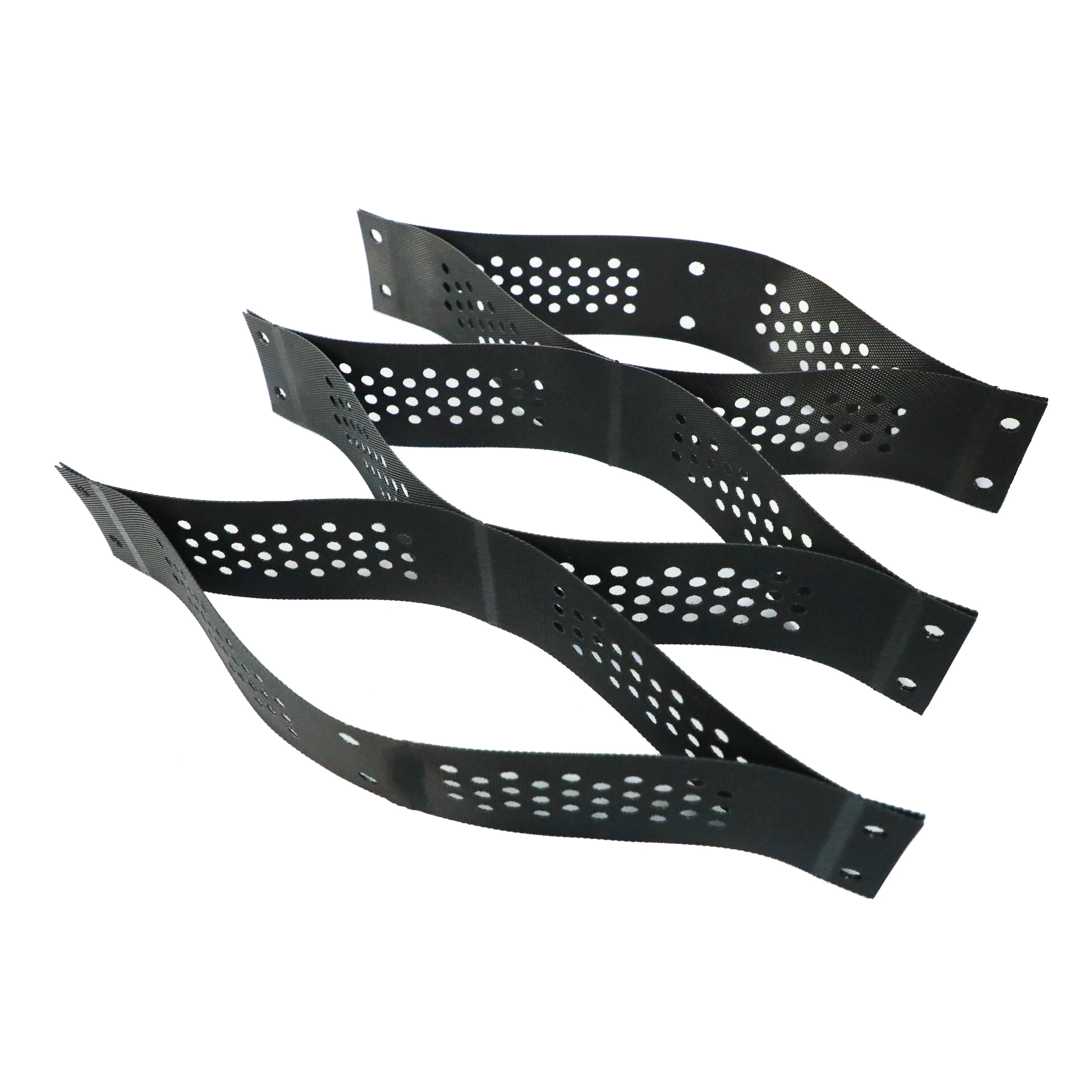
HDPE Geocell is a flexible, three-dimensional cellular confinement system made from high-density polyethylene (HDPE) strips, ultrasonically welded together to form a strong, honeycomb-like structure. Once expanded and filled with aggregate, sand, soil, or concrete, it creates a stabilized layer ideal for load-bearing and erosion control.

Applications
HDPE Geocell is a cost-effective and efficient solution for:

Road and railway subgrade reinforcement

Retaining wall construction

Slope and embankment erosion control

Channel protection and stormwater management

Load support in weak soil conditions

✅ Why Choose Geocell?
In many infrastructure projects—such as roads, railways, and slope stabilization—subgrade soils are soft or weak, leading to costly and time-consuming reinforcement solutions. Geocell offers an economical alternative. When placed directly on subgrade soils and filled with readily available granular materials, it improves the ground's load-bearing capacity without the need for deep excavation or expensive fill materials.

✅ How Geocell Works
When infilled and compacted, the geocell system forms a composite structure with improved mechanical and geotechnical properties:

3D Confinement: Limits lateral movement of soil particles, enhancing stability

Load Distribution: Creates a stiff slab effect, spreading loads over a wider area

Increased Shear Strength: Cell walls provide high lateral resistance

Improved Bearing Capacity: Reduces soil deformation and punching through soft subgrades

Passive Resistance: Adjacent cells provide added confinement, further enhancing support
 
Raw material :
Height :
Welding distance:
Availability:
Quantity:
  • ZL-TGGS

  • zhongloo

High Quality Grass Grid Pavers Hdpe Geocell
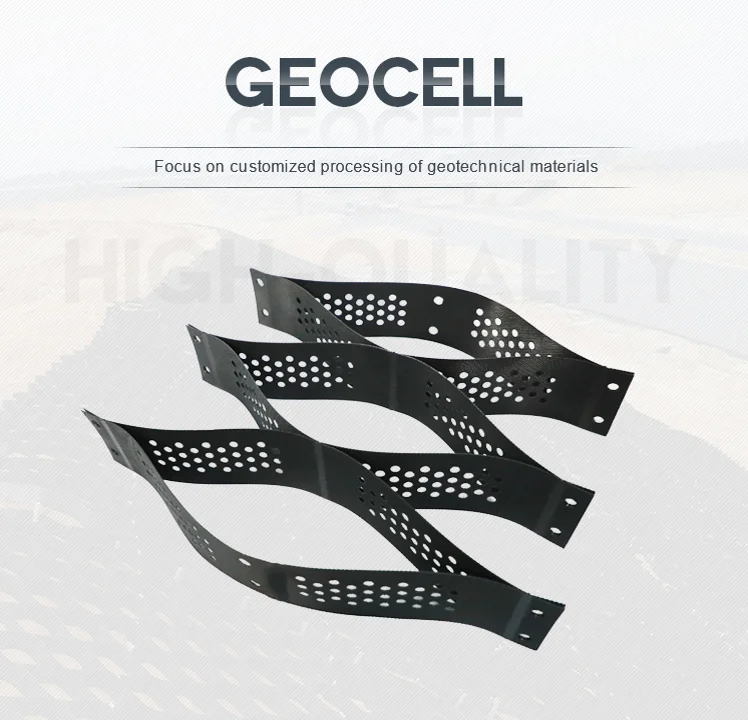
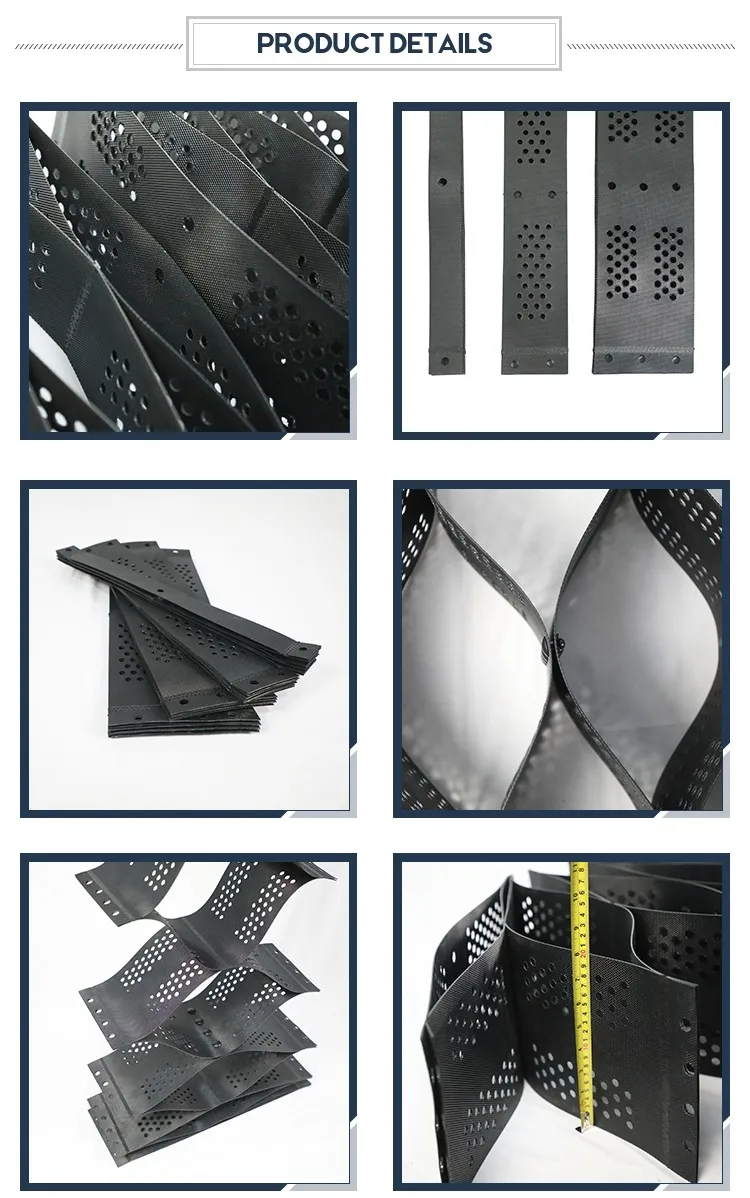
HDPE Geocell is a flexible, three-dimensional honeycomb-like structure manufactured from high-density polyethylene (HDPE) strips that are ultrasonically welded together, forming a strong and durable confinement system. This geocell structure can be expanded on-site and filled with various infill materials such as soil, sand, aggregate, or concrete.

Designed for superior load distribution and stability, HDPE geocells are widely used in:

  • Unpaved and reinforced road construction

  • Retaining wall systems

  • Slope erosion control

  • Channel protection and stormwater management

Offering high tensile strength, chemical resistance, and excellent flexibility, HDPE geocells are a cost-effective and sustainable solution for civil engineering and environmental protection projects. They ensure rapid deployment and long-term performance even in demanding site conditions.

Technical parameter  


Geocell
item
PP
PE
tensile strength of Strip ≥(Mpa)
23
20
Tensile strength of weld ≥(N/cm)
100
100
Tensile strength of cell edge ≥(N/cm)
200
200
Intermediate tensile strength of cell sheet ≥(N/cm)
120
120

Why GeocellIn roads, rail,wers, slope applications, and similar constructions we sometimes encounter soft and/or weak. The traditional approach is to fill these areas with expensive materials, which can be costly and time-consuming. However, there is an effective alternative method: using geocell directly on the subgrade. Geocell is made of ultrasonically-welded high-density polyethylene (HDPE) and can be expanded to form a honeycomb structure. Cells are then filled with readily available granular materials and compacted. The Geoc solution addresses soil stability problems in various applications through its high-strength network of interconnected cells.

How Geocell Works
When infilled with compacted materials, it creates a new composite entity that possesses enhanced mechanical and geotechn properties. When the soil contained within aell is subjected to pressure, it causes lateral stresses on the cell walls. 3D zone of confinement reduces the lateral movement of soil particles, while vertical loading on the contained infill results in high lateral stress and resistance the cell-soil interface. increase the shear strength of the confined soil, which:


- Creates a stiff mattress or slab to distribute the load over a wider area.
- Reduces punching of soft soil.
-creases shear resistance and bearing capacity.
- Decreases deformation.


Confinement from adjacent cells provides additional resistance against the loaded cell through passive resistance, while expansion of the infill is restricted by high hoop strength. Compaction is maintainedocell, resulting in-term reinforcement

Retaining Wall

Cellular Confinement Systems provide steep vertical mechanically stabilized earth structures (either gravity or reinforced walls)
for steep faces, walls and irregular topography


Slope Pretection

The three-dimensional lateral confinement of Cellular Confinement Systems along with anchoring techniques ensures the long-term

stability of slopes using vegetated topsoil, aggregate or concrete surfacing


Gruound Stabilisation

Cellular Confinement Systems strengthen the aggregate infill, thereby simultaneously enabling the use of poorly graded inferior material for infill as well as reducing the structural support layer thickness.Typical stabilisation applications include reinforcement of base and subbase layers in flexible pavements, including: roads, railway substructure and ballast confinement;working platforms in intermodal ports; airport runways.
Load Support

Cellular Confinement Systems have been used to improve the performance of both paved and unpaved roads by reinforcing the soil in the subgrade-base interface or within the base course. The effective load distribution of geocell creates a strong,stiff 3D cellular mattress which can reduce vertical differential settlement into soft subgrades, improves shear strength, and enhances load-bearing capacity, while reducing the amount of aggregate material required to extend the service life of roads.


FAQ

Q:Can you send samples?

A:Yes, we are very happy to provide you with free samples to check the quality of our products.


Q:Are you a manufacturer or a trading company?
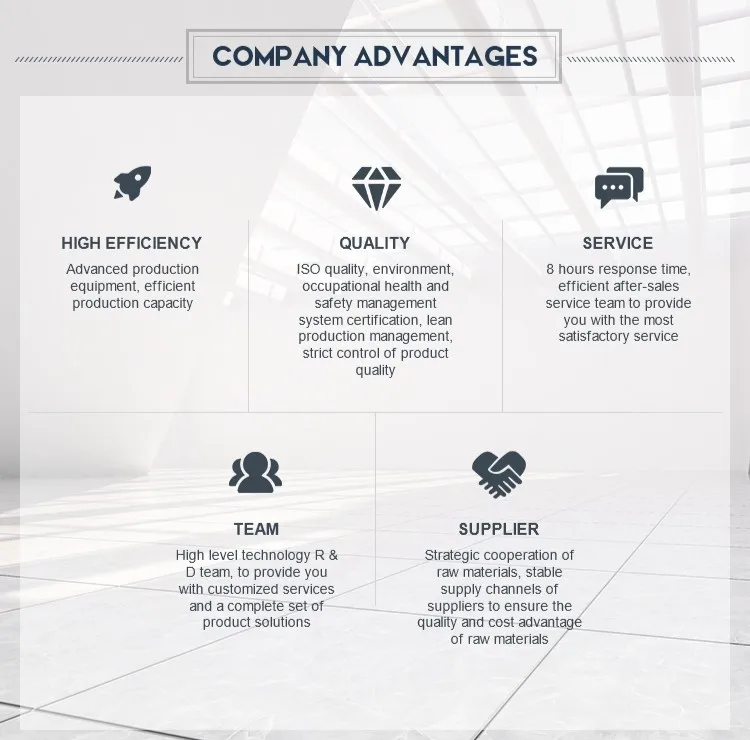
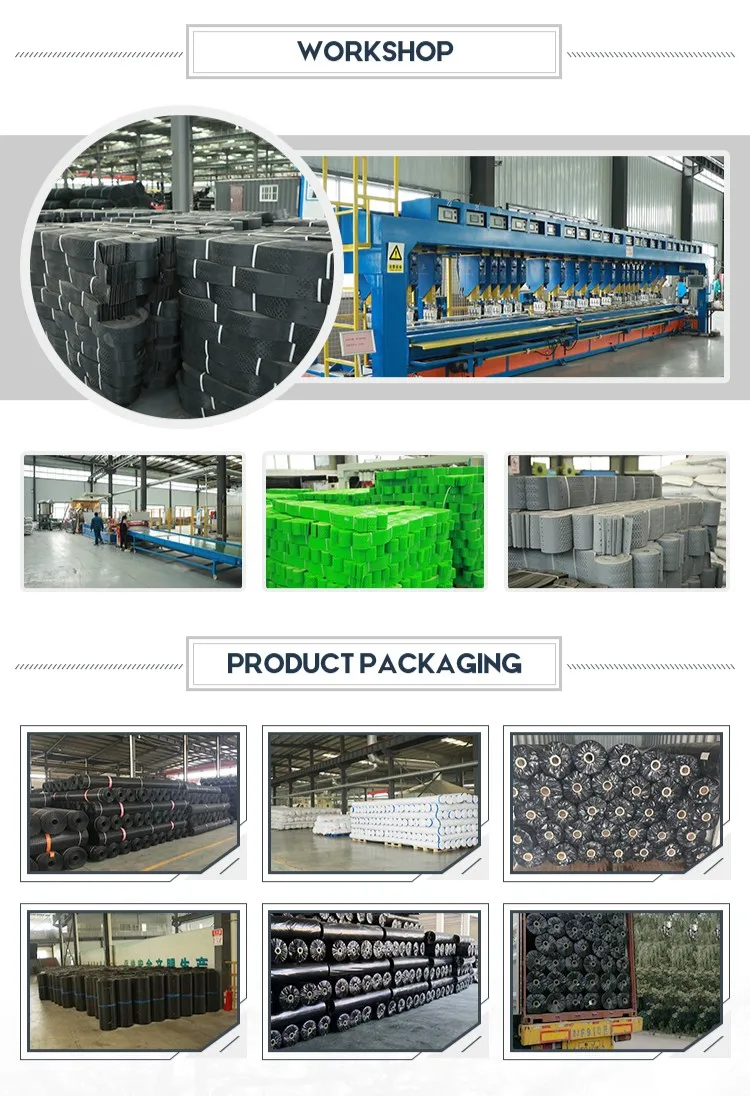
A:Our company located in Hefei,Anhui Province,with are gistered capital of 52 miion yuan. It is a professional manufacturer of geomembrane, geotextile, geogrid and other products. So we have the competitive price with best quality.

Q:Can you produce the product according to customers' requirements?
A:Sure,we are professional manufacturer,OEM and ODM are both welcome.

Q:How long is the delivery time?
A:General within 3-7days after received the deposit.
Q:How to control product quality?
A:Our factory adopts lean management, products from the beginning to the end of the production process have strict quality control. All products must be strictly tested before packing and shipping.


Previous: 
Next: 

ABOUT US

PRODUCTS

NEWS

CONTACT US

  +86-18095658976
 +86-551-65540070
  shaun@zhongloo.com
  Innovation Entrepreneurship Park Economic Development District in Hefei, Anhui China
Leave a Message
Copyright © 2021 Anhui Zhonglu Engineering Materials Co., Ltd. | Sitemap    Support by Leadong