|


| Quantity: | |
|---|---|
ZL-ZGM
Zhongloo
China Factory Price Pond Liner Roll HDPE Reinforced Pond Agriculture Liner Geomembrane
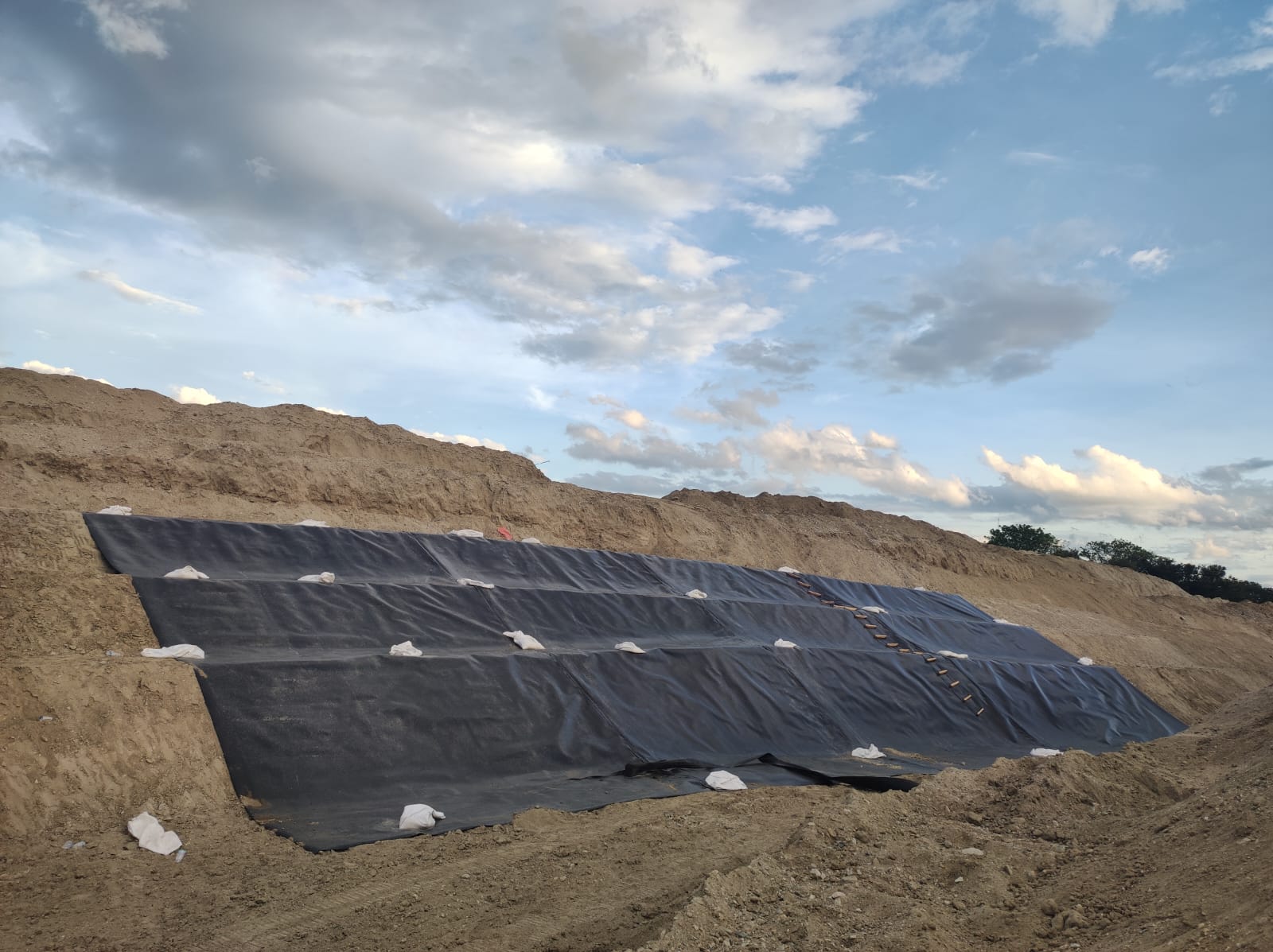
In addition to preventing liquid penetration, geomembranes can also prevent the passage of gases. Their sealed structure and the properties of the polymeric materials used result in anti - gelation properties, reducing gas permeation. This characteristic is particularly useful in projects where preventing gas infiltration, such as methane in landfills or hydrogen in certain industrial settings, is essential.
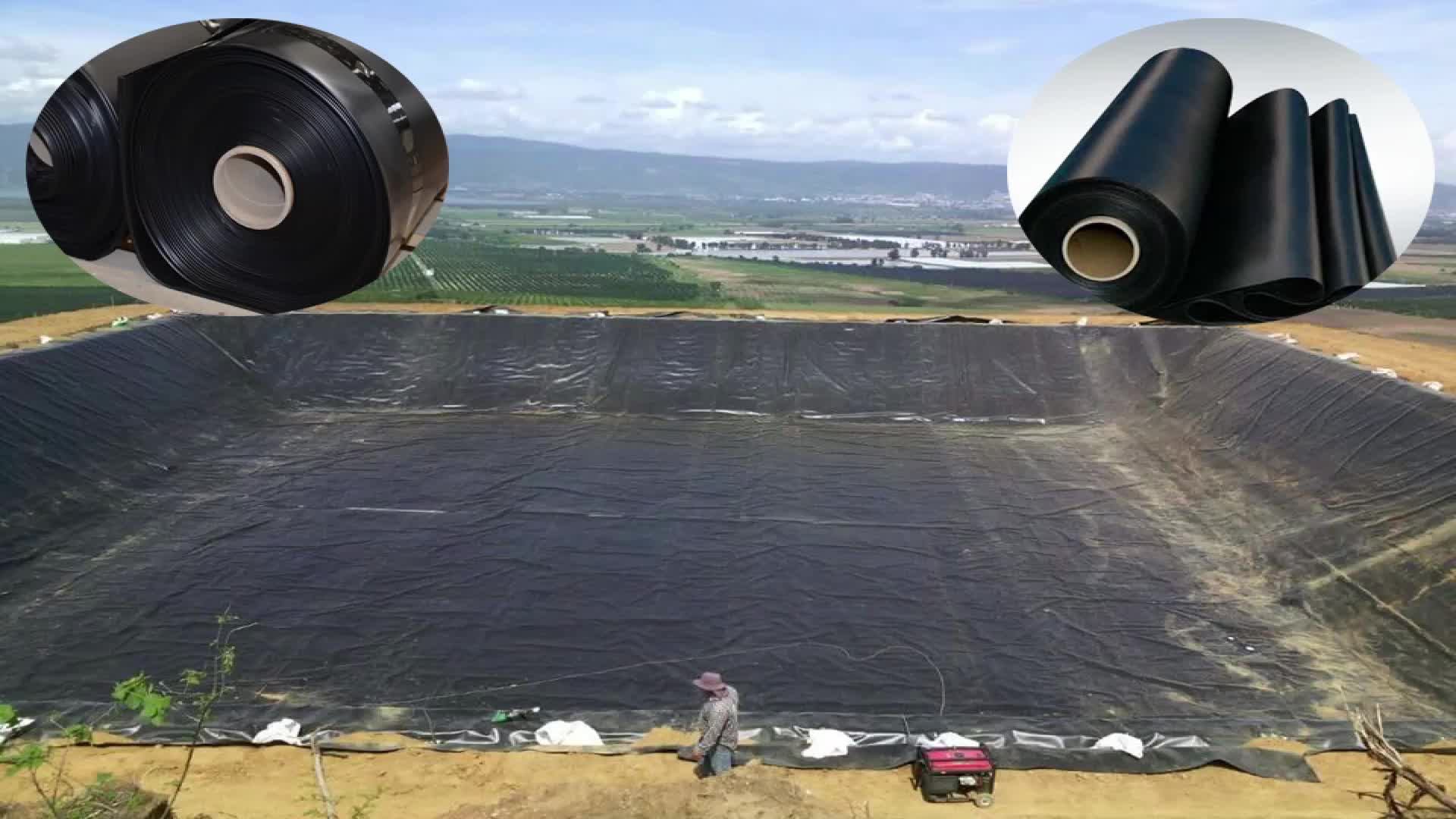
1.HDPE Geomembranes: As mentioned, HDPE geomembranes are highly popular. They are made from high - density polyethylene resin and offer excellent performance in terms of tensile strength, puncture resistance, and chemical stability. These qualities make them suitable for projects where durability and long - term performance are key, such as landfill liners, reservoir linings, and waste treatment lagoons.
2.PVC Geomembranes: Polyvinyl chloride geomembranes are known for their flexibility and good resistance to chemicals and UV radiation. They are often used in applications where the geomembrane needs to conform to irregular surfaces, such as in some small - scale water storage ponds or in certain industrial containment areas.
3.EVA Geomembranes: Ethylene - vinyl acetate copolymer geomembranes have good elongation properties and flexibility. They are suitable for applications where the geomembrane may be subject to some movement or deformation, such as in tunnel lining projects where the structure may experience some settlement over time.
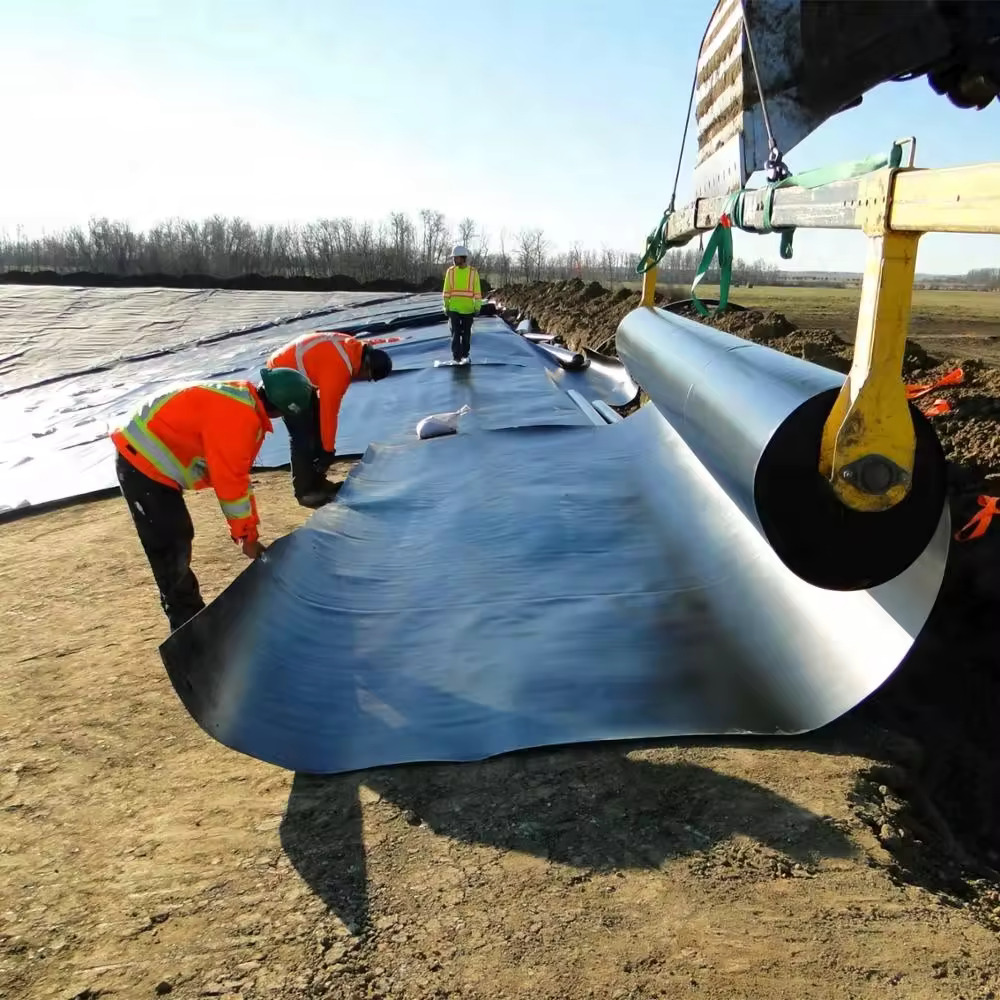
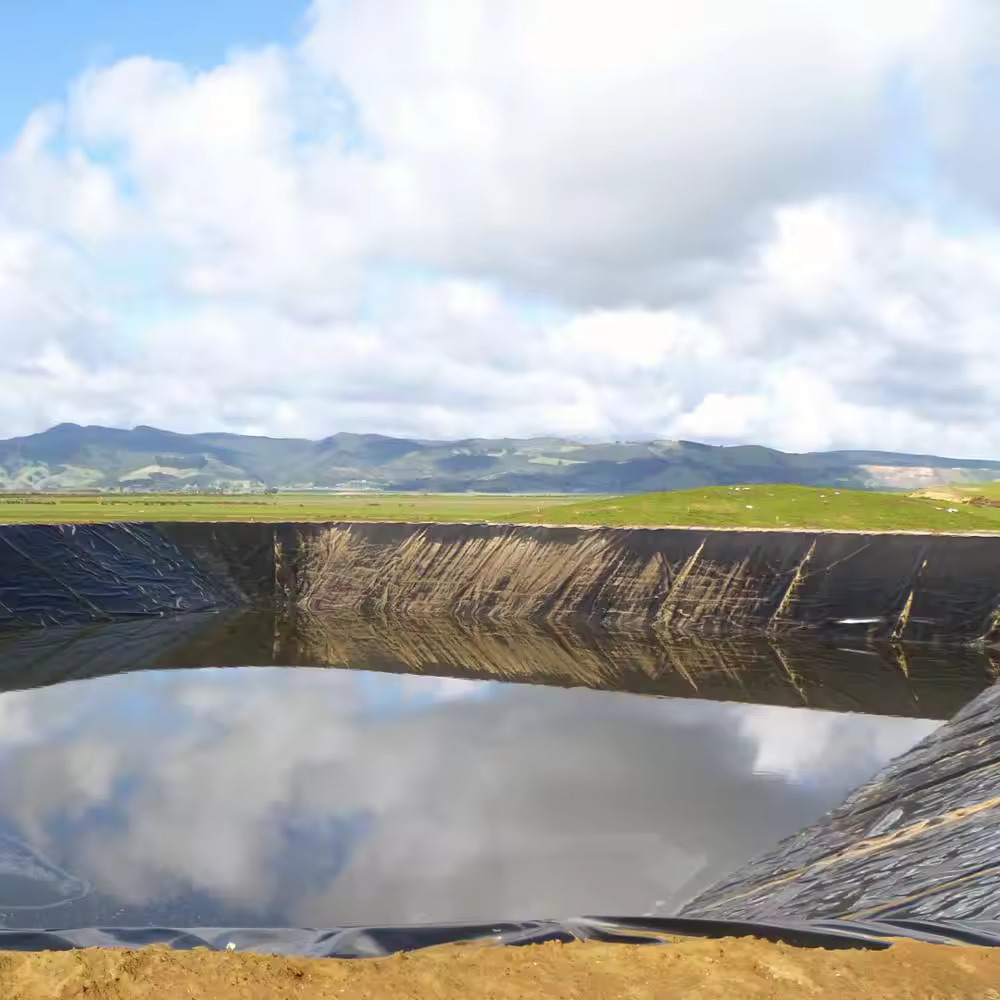
1.Landfills: Geomembranes are used as liners in landfills to prevent the leakage of leachate (liquids from decomposing waste) into the surrounding soil and groundwater. A typical landfill liner system may consist of multiple layers, with a thick HDPE geomembrane as the primary barrier to ensure that harmful substances from the waste do not contaminate the environment.
2.Water Conservation Projects: In reservoirs, canals, and irrigation ponds, geomembranes are used to prevent water seepage. By reducing seepage losses, more water can be effectively stored and distributed for agricultural, industrial, or domestic use. For example, in a large irrigation canal, laying a geomembrane on the canal bed and sides can significantly reduce the amount of water that is lost through the soil.
3.Aquaculture: Geomembranes are used to line fish ponds and other aquaculture facilities. They help maintain water quality by preventing the infiltration of soil - borne contaminants into the water and also make it easier to clean and manage the pond environment.
4.Mining Operations: In mining, geomembranes are used for tailings storage facilities. They prevent the leakage of toxic metals and other harmful substances from the tailings into the environment, protecting both soil and water resources.
5.Infrastructure Development: Geomembranes can be used in the construction of roads, railways, and airports. Underneath the pavement, they can act as a moisture barrier, preventing water from weakening the subgrade and extending the lifespan of the infrastructure. In tunnel construction, they are used to prevent water ingress, which can cause structural damage and safety hazards.

1.Excellent Impermeability: Geomembranes have extremely low permeability, which effectively prevents the passage of fluids. This property is crucial for maintaining the integrity of structures and protecting the environment from contamination.
2.Durability: Made from high - quality polymers, many geomembranes are resistant to UV radiation, harsh weather conditions, and chemical corrosion. This allows them to have a long service life, often lasting for decades in appropriate conditions.
3.Cost - effectiveness: Although the initial investment in geomembranes may seem relatively high, in the long run, they can be cost - effective. For example, in a landfill, the use of a high - quality geomembrane can prevent costly environmental clean - up operations due to leachate leakage.
4.Easy Installation: Geomembranes are usually available in large rolls, which can be easily transported to the construction site and installed. They can be cut and joined on - site using specialized welding techniques, allowing for a seamless installation that conforms to the shape of the project area.
In conclusion, geomembranes play a vital role in modern engineering. Their ability to provide an effective barrier against fluid infiltration makes them indispensable in a wide range of applications, from environmental protection to infrastructure development. As technology advances, the performance and versatility of geomembranes are likely to improve further, expanding their potential uses in the future.